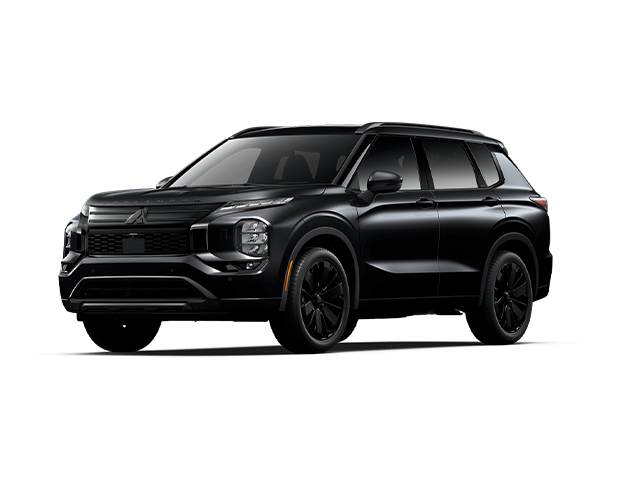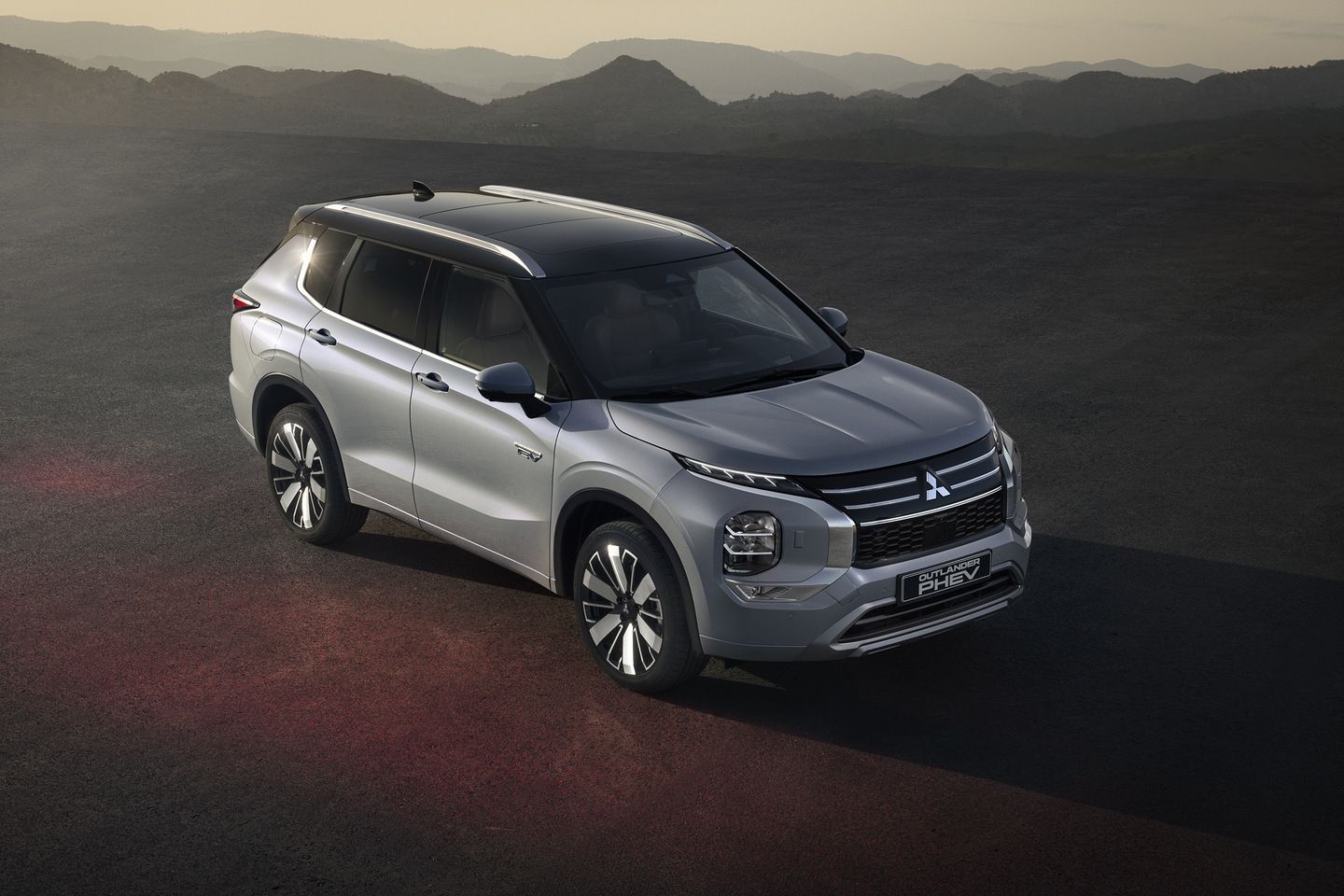
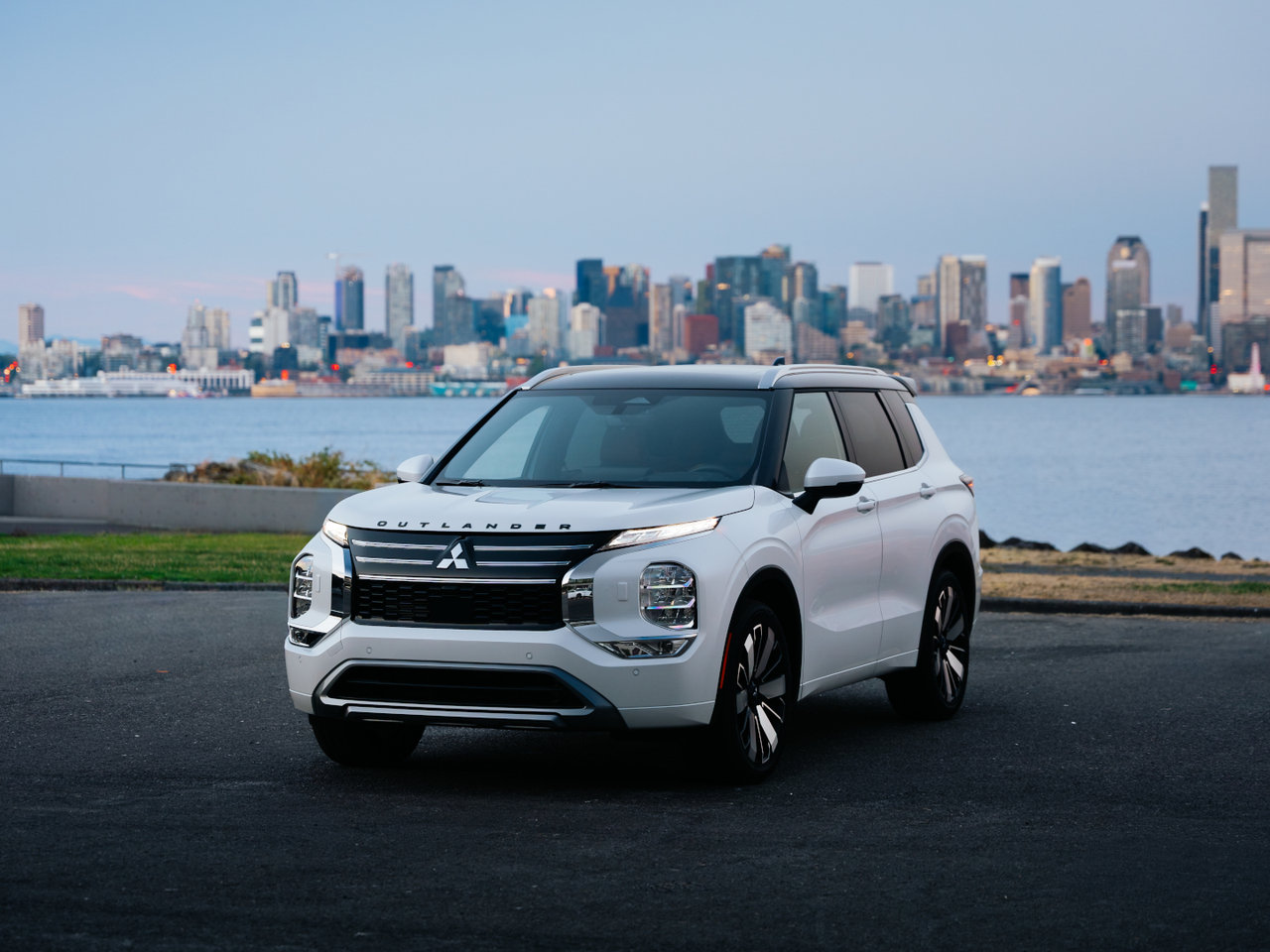
Between school runs, highway stretches, and the odd unpredictable back road, Nova Scotia drivers spend a lot of time behind the wheel. The 2026 Outlander is built with a cabin that keeps navigation, phone access, and vehicle checks within easy reach, without forcing you to dig for buttons or fumble with cables.
This guide walks through what the Outlander’s connected tech actually does day to day, and which pieces matter most depending on how you drive.
What The Connected-Cabin Tech Actually Is
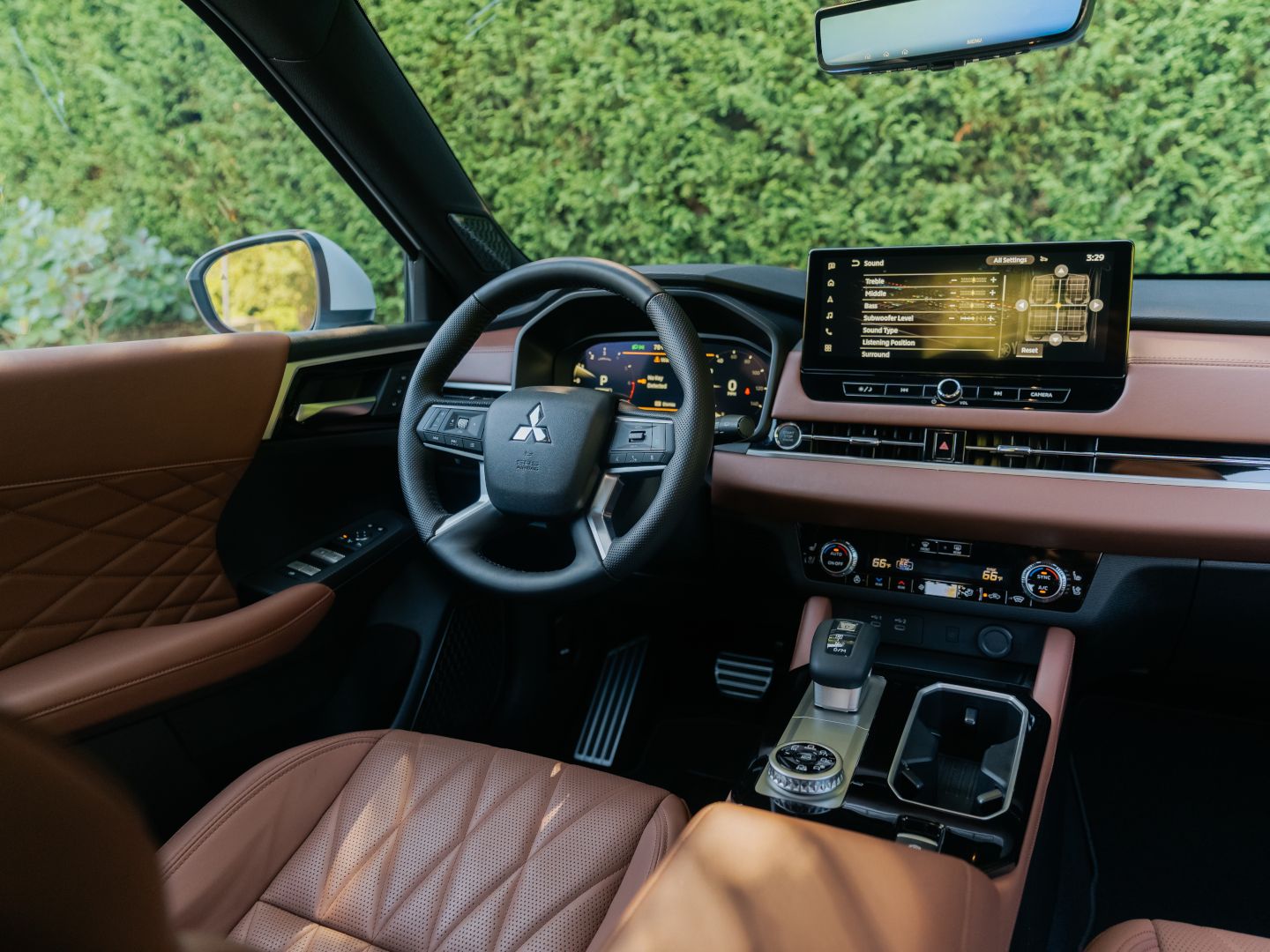
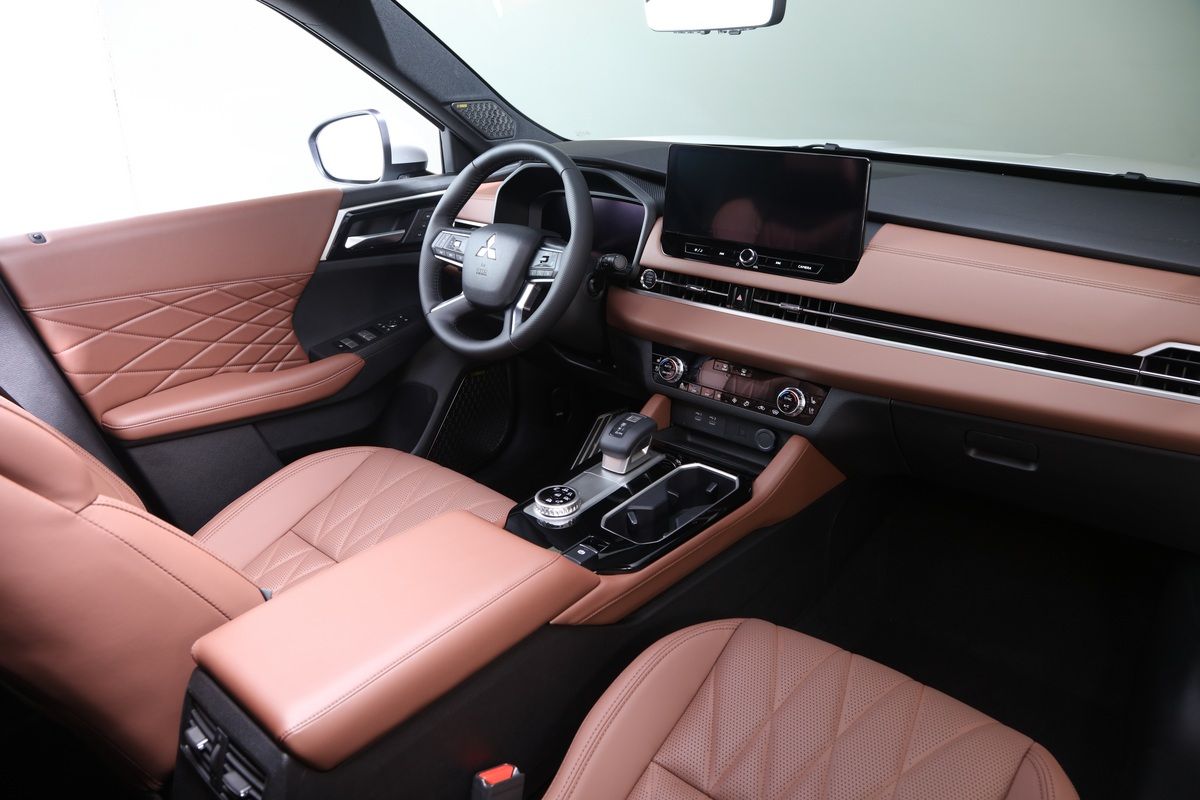
At the centre of the cabin sits a 12.3-inch touchscreen that handles navigation, media, phone pairing, and several vehicle functions from one place. It runs wireless Android Auto and wireless Apple CarPlay, so your phone’s apps, contacts, and music show up on the dash without a cable.
Higher grades add to that foundation. The SEL and GT trims pair the touchscreen with a 12.3-inch full digital driver display, putting speed, navigation prompts, and drive-mode information directly in the driver’s sightline. The GT adds a 10.8-inch head-up display that projects key information onto the windshield itself, so your eyes stay on the road instead of dropping to the dash.
How It Works Behind The Wheel
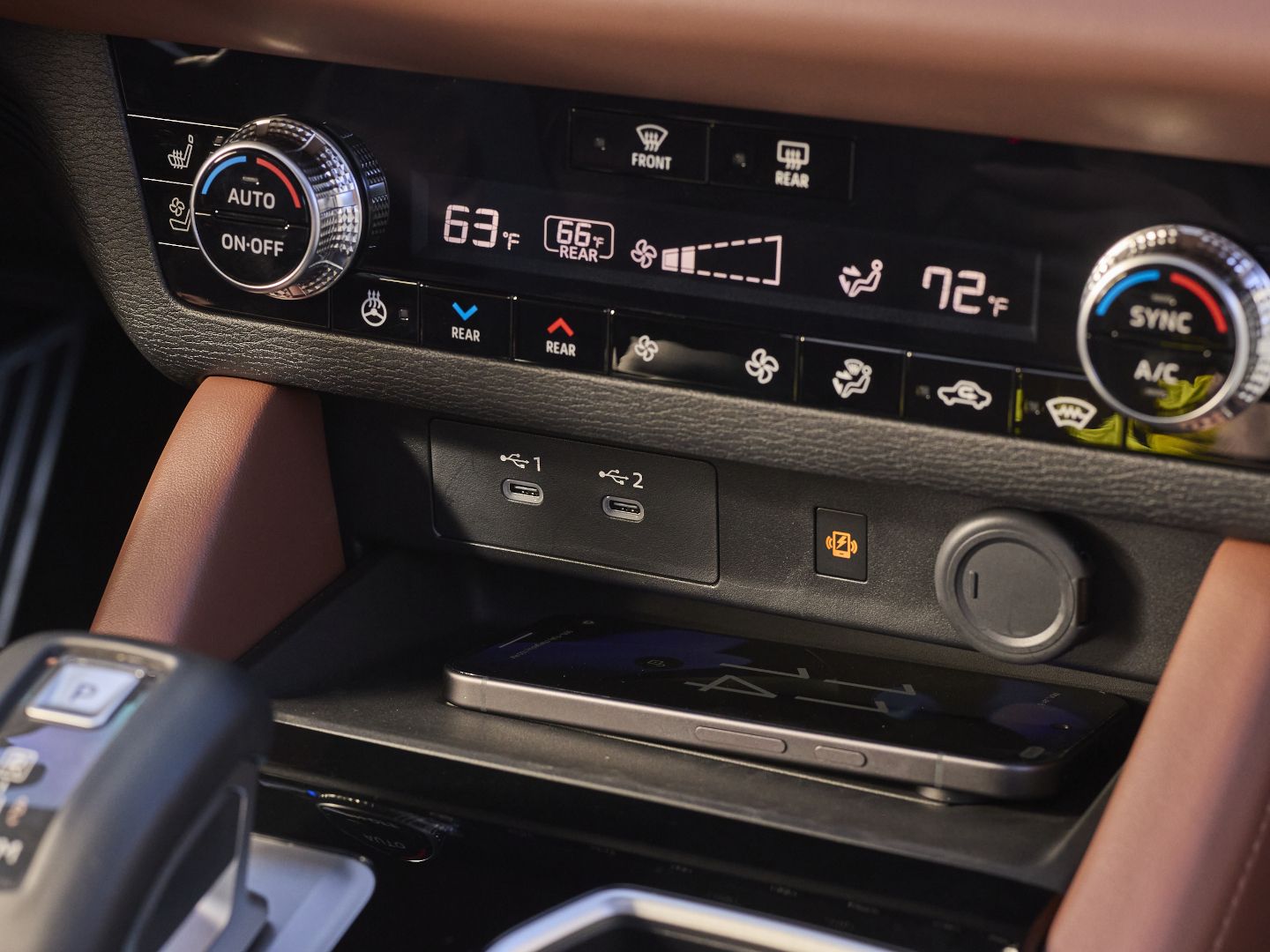
Wireless smartphone integration means setup takes seconds: connect once, and the phone reconnects automatically on future trips. There is no hunting for a cable in the glovebox, which matters more than it sounds like on a morning when you are already running late.
A wireless smartphone charger is built into the front of the centre console on LE, SEL, and GT trims, angled for easy access. Combined with a Type-C front USB input, the cabin gives you two ways to keep a phone topped up without cables trailing across the console.
Onboard, embedded navigation on LE, SEL, and GT trims runs through the touchscreen and connects to Google-powered mapping services, including satellite and street views, with route information passing between the phone and the display and back. That built-in routing is most useful when cell coverage gets patchy along rural stretches, somewhere a phone-only map app can stall out.
For a familiar daily commute, a paired phone’s own maps may be all you need; onboard navigation earns its keep on the unfamiliar trip.
Audio setup changes by trim, and the difference is more than a speaker count on a spec sheet. LE, SE, and ES trims carry the Dynamic Sound Yamaha Premium system with 8 speakers, including rear tweeter/woofer units. The GT steps up to the Dynamic Sound Yamaha Ultimate system with 12 speakers, tuned by Yamaha’s engineers with sound modes built around music genre and seating position.
Every 2026 Outlander order can add a three-year SiriusXM Extended Service Subscription, layering in satellite and streaming content on top of whichever speaker setup the trim carries.
Why It Matters For Everyday Driving
For driving awareness, the multi-view camera system with moving object detection is standard on LE, SEL, and GT trims, giving a wider look around the vehicle during parking and low-speed manoeuvres. On SEL and GT trims, the frameless auto-dimming rearview mirror adds HomeLink integration for garage doors and gate access; the LE’s frameless auto-dimming mirror does not include HomeLink.
GT buyers can also add a frameless digital rearview mirror, which uses a rear camera feed to keep the view clear even when the cargo area is loaded to the roof.
Before you ever reach the vehicle, Mitsubishi Connect (included with a trial on LE, SEL, and GT trims) lets you use a smartphone to start the Outlander to pre-heat or pre-cool the cabin, defrost the windshield, activate heated seats and the heated steering wheel, lock or unlock the doors, or locate the vehicle in a parking lot. The same app shows fuel information, vehicle condition, and warnings.
Mitsubishi Connect Safeguard Services adds an emergency layer: automatic contact with the Mitsubishi Motors call centre in a collision, an SOS button for manual emergencies, and roadside assistance requests, all without searching for a phone number after something has already gone wrong.
Who Gets The Most Out Of It
For a daily commuter who spends most drives on familiar roads, the standard touchscreen, wireless phone pairing, and wireless charging cover the basics without needing a higher trim.
Family drivers carrying kids to practices and appointments benefit most from the SEL and GT’s digital driver display and multi-view camera system, since both cut down the distractions of juggling a phone-mounted map while managing passengers.
Drivers who spend real time on the road, covering longer highway stretches or unfamiliar routes across the province, get the clearest case for the GT: the head-up display keeps navigation cues visible without a glance down, and the 12-speaker Ultimate audio system holds its own on longer drives.
Getting Behind The Wheel Of The 2026 Outlander
The 2026 Outlander’s cabin tech is built around a single touchscreen hub, wireless phone access, and app-based remote functions that work together before and during a drive. Which pieces matter most comes down to how much time you actually spend behind the wheel and how far those trips take you.
Visit Motor Hub Mitsubishi in Truro and Antigonish to see the 2026 Outlander’s connected features in person and find the trim that fits how you drive.