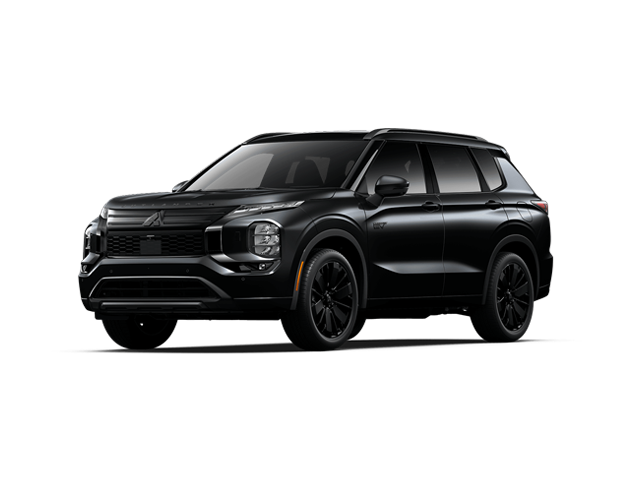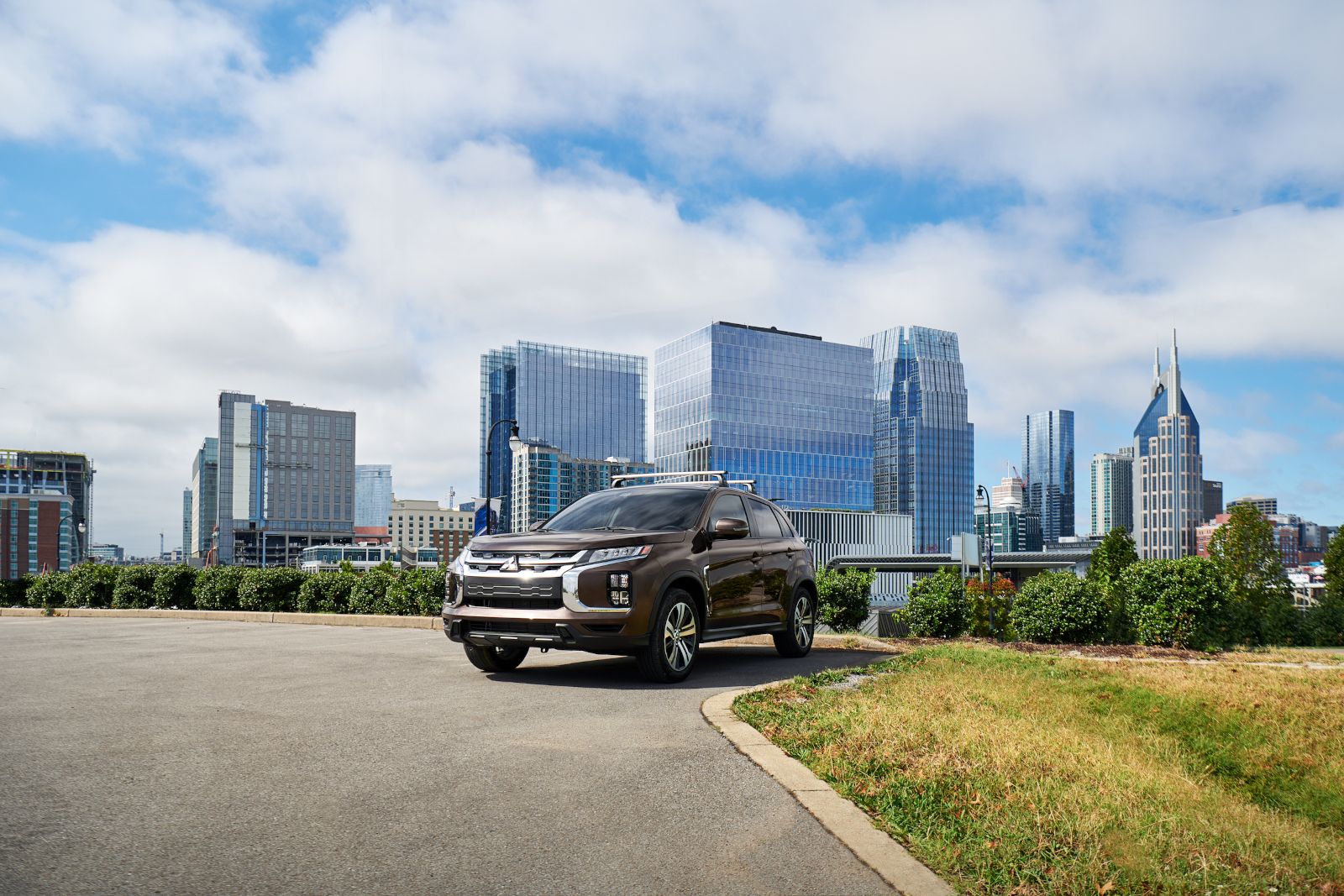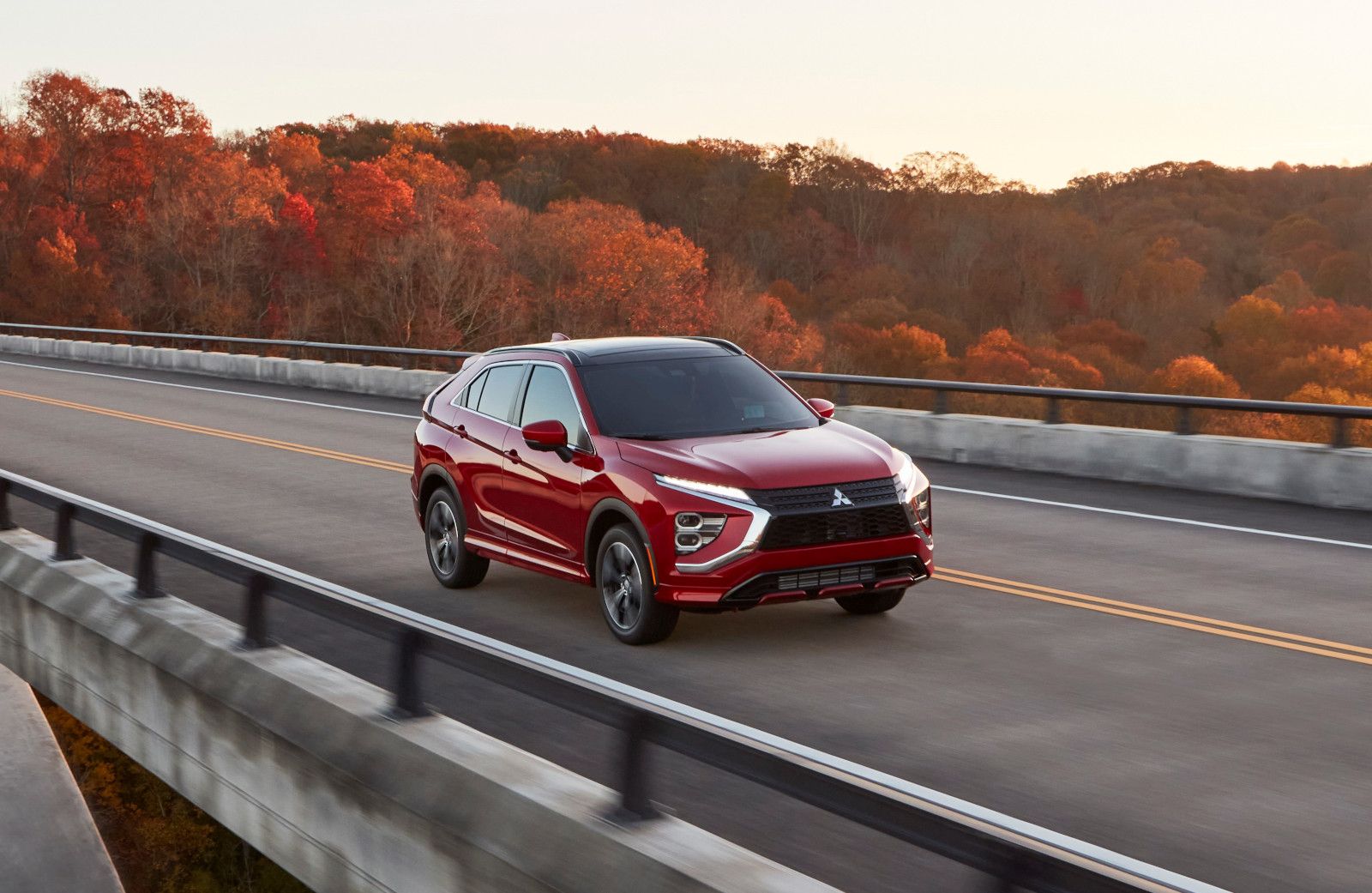
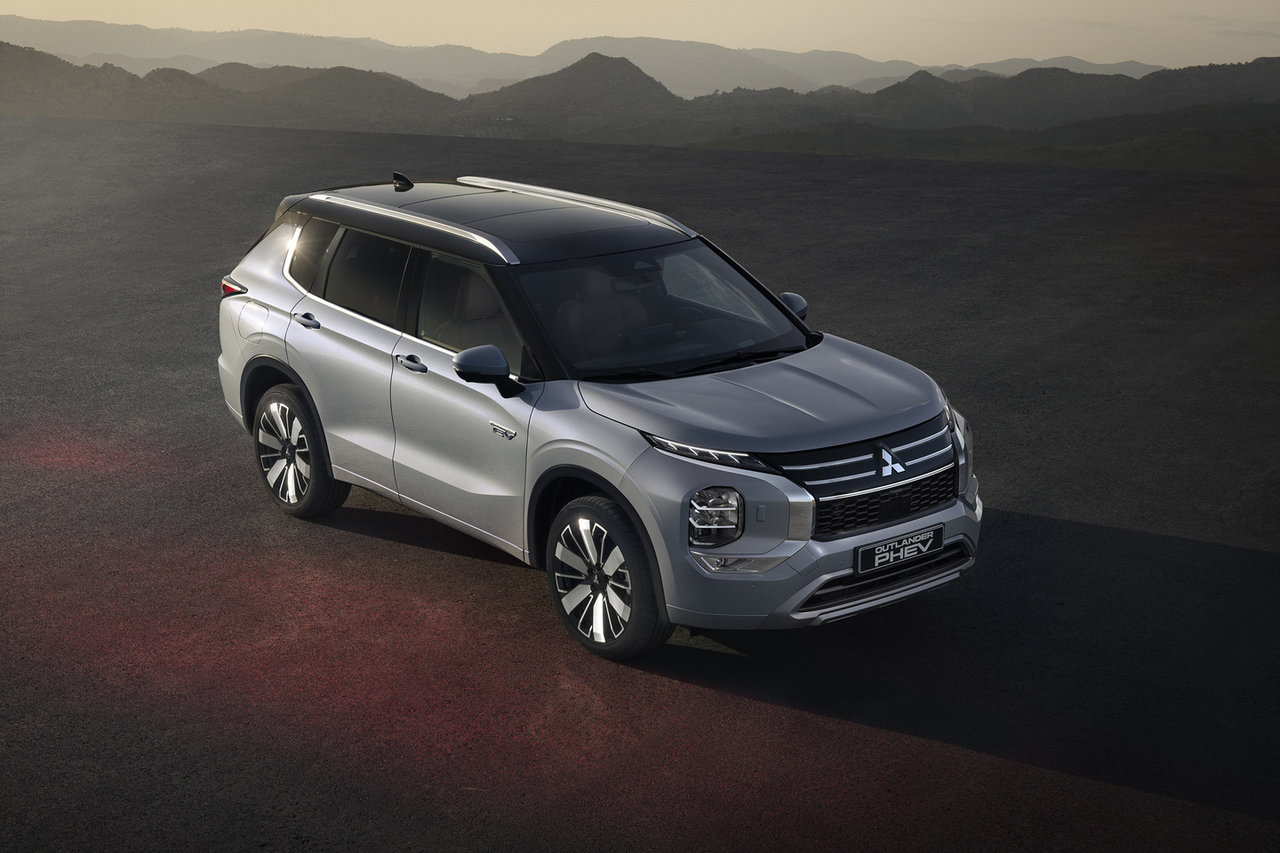
Nova Scotia commuters put real kilometres on a vehicle, mixing highway merges with quick stops for groceries, school runs, and the odd longer trip across the province. The 2026 Outlander lineup answers that with two distinct approaches under one nameplate: a plug-in hybrid and a gas-only Outlander, both built on Mitsubishi’s Super All-Wheel Control platform.
They share a body and a badge, but they solve the daily drive differently. Here’s how the two compare on the things that matter for a Nova Scotia commute: efficiency, charging habits, cabin flexibility, and all-weather footing.
Outlander PHEV vs Outlander: Side-by-Side
|
Spec |
Outlander PHEV |
Outlander |
|
Engine |
2.4L 4-cylinder, 131 hp, plus twin electric motors |
1.5L turbocharged 4-cylinder mild hybrid |
|
Horsepower |
248 hp combined (max POWER mode) |
174 hp @ 5000 rpm |
|
Torque |
332 lb-ft combined (max POWER mode) |
206 lb-ft @ 3000-4000 rpm |
|
Fuel economy (gas) |
8.6 L/100km city/highway/combined |
9.4 / 7.8 / 8.7 L/100km (city/highway/combined) |
|
Cargo (behind front seats) |
1,832 L |
1,822 L |
|
Towing |
1,500 lbs (680 kg) |
2,000 lbs (907 kg) |
|
Ground clearance (LE) |
195 mm |
210 mm |
|
Seating |
7 passengers (5+2) |
7 passengers (5+2) |
|
Drivetrain |
Super All-Wheel Control (S-AWC) |
Super All-Wheel Control (S-AWC) |
Powertrain and the Daily Drive
The Outlander PHEV pairs its 2.4L engine with twin electric motors and a 22.7 kWh battery, delivering 72 km of EV-only range and 690 km of total driving range. For a commuter who plugs in overnight, that 72 km can cover a full round trip on electricity alone before the gas engine ever engages.
Charging fits around a routine rather than replacing one. A 240V/15A connection recharges the battery in about 6.5 hours, so an overnight plug-in at home resets the range by morning. A CHAdeMO DC fast charger brings it to 80 percent in about 29 minutes for a mid-day top-up.
The gas Outlander skips all of that. Its 1.5L turbocharged engine works with a 48V belt-driven starter generator that adds an electrified boost during acceleration from a stop and when passing on the highway, without any plugging in required. Ownership stays simple: fill up, drive, repeat.
Both handle merging and passing with an assist from electrification, just applied differently. The PHEV’s POWER drive mode leans on its electric motors for a maximum torque surge; the gas Outlander’s 48V system supports the turbo engine for a similar push off the line.
Cabin, Cargo, and Family Practicality

Cargo space is close between the two, with the PHEV’s underfloor battery packaging accounting for the small difference behind the front seats. In daily use, both handle the same sports bags, grocery runs, and carpool loads without a meaningful gap.
Third-row legroom is identical at 475 mm on both lines, so the back row suits kids or short trips on either version rather than adult-length hauls. Seven-passenger seating with a 40/20/40 split-folding second row is standard across both.
Heated front seats come standard from the base trim on both lines. A smartphone wireless charger and hands-free power liftgate, though, start at the SE trim on both the PHEV and the gas Outlander; the entry ES trim skips both.
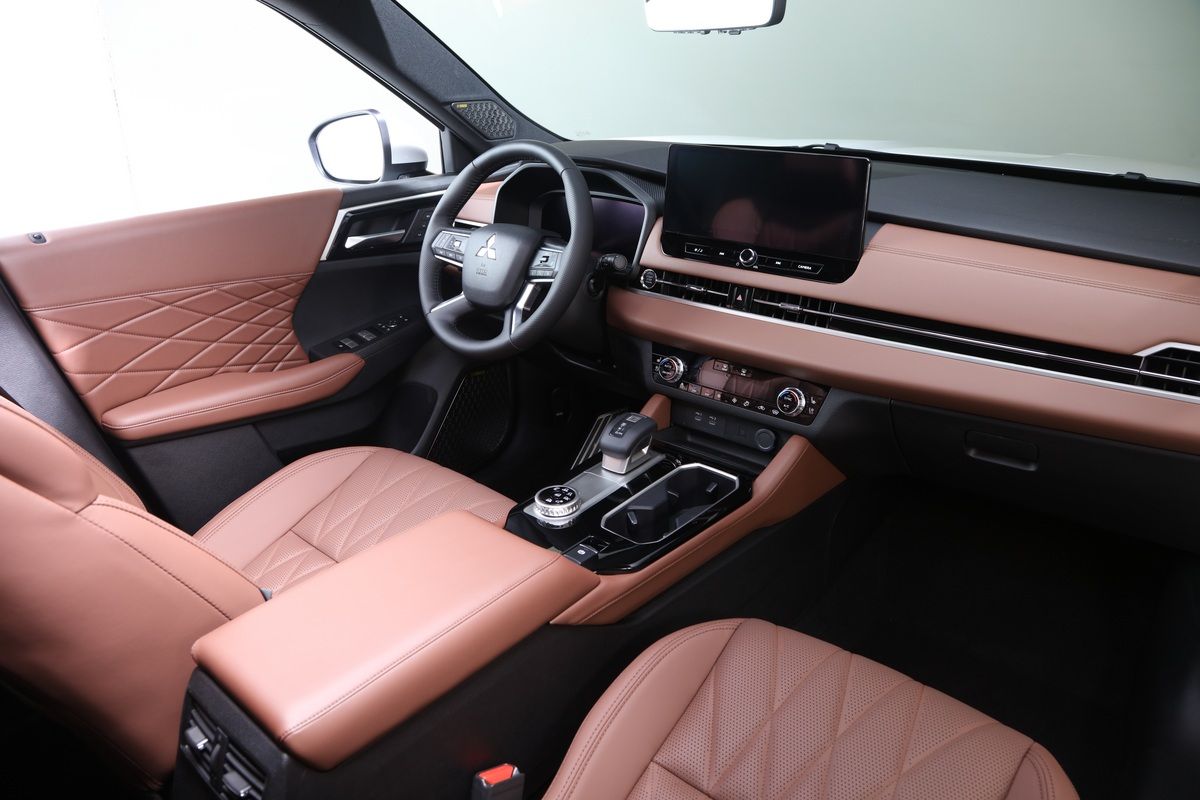
Cabin tech diverges more at the base end. The PHEV’s 12.3-inch full digital driver display is standard across every trim, from ES through GT NOIR. The gas Outlander reserves that same 12.3-inch cluster for the SEL and GT trims; ES, SE, and LE models use a 7-inch multi-information display instead.
Both lines share a 12.3-inch Smartphone Link touchscreen with wireless Apple CarPlay and Android Auto, and both step up to a 12-speaker Yamaha Ultimate audio system at the GT trim from an 8-speaker Yamaha Premium setup lower in the lineup.
All-Wheel Confidence for Nova Scotia Roads
Both Outlanders come standard with Super All-Wheel Control, which manages torque and braking at each wheel to hold a line on wet pavement, gravel shoulders, or a slushy morning. Neither one asks for an upgrade to get it.
A selectable drive-mode dial lets the driver match the system to the surface, with Normal, Tarmac, and Snow settings shared across the lineup. The PHEV adds a POWER mode on top, drawing on its electric motors for a firmer response on a highway on-ramp.
The gas Outlander’s 210 mm ground clearance sits a bit higher than the PHEV LE’s 195 mm, a small edge on deeper snow accumulation or a rutted gravel driveway. It’s a minor difference, not a reason to choose one over the other on its own.
Which Outlander Fits Your Commute?
For a commuter with home or workplace charging, and a daily distance that fits inside 72 km, the Outlander PHEV turns a big share of the week into electric-only driving, with the gas engine as backup for longer stretches beyond that range. The added 10-year/160,000 km battery warranty covers that investment.
For a driver without reliable charging access, or one who wants ownership reduced to a single decision (fill the tank), the gas Outlander delivers the same S-AWC traction and interior layout without any charging routine to plan around. It suits longer regional trips where a fuel stop is the only stop required.
For most Nova Scotia households running short errands with occasional longer highway trips, the Outlander PHEV is the stronger pick: it covers daily driving on electric power alone while still offering a gas engine for longer stretches, giving commuters the flexibility that a single-fuel vehicle can’t match.