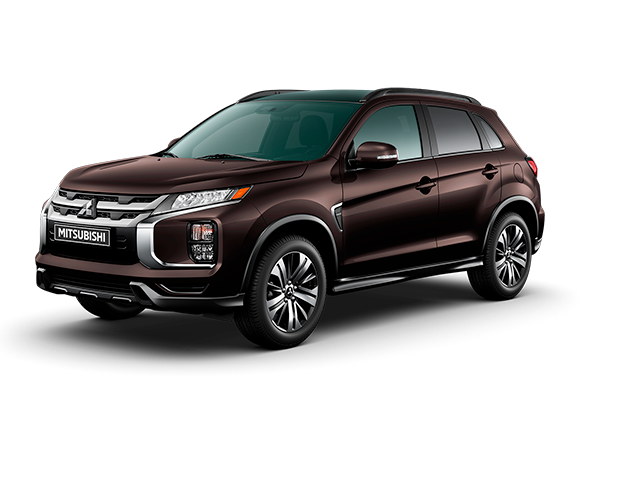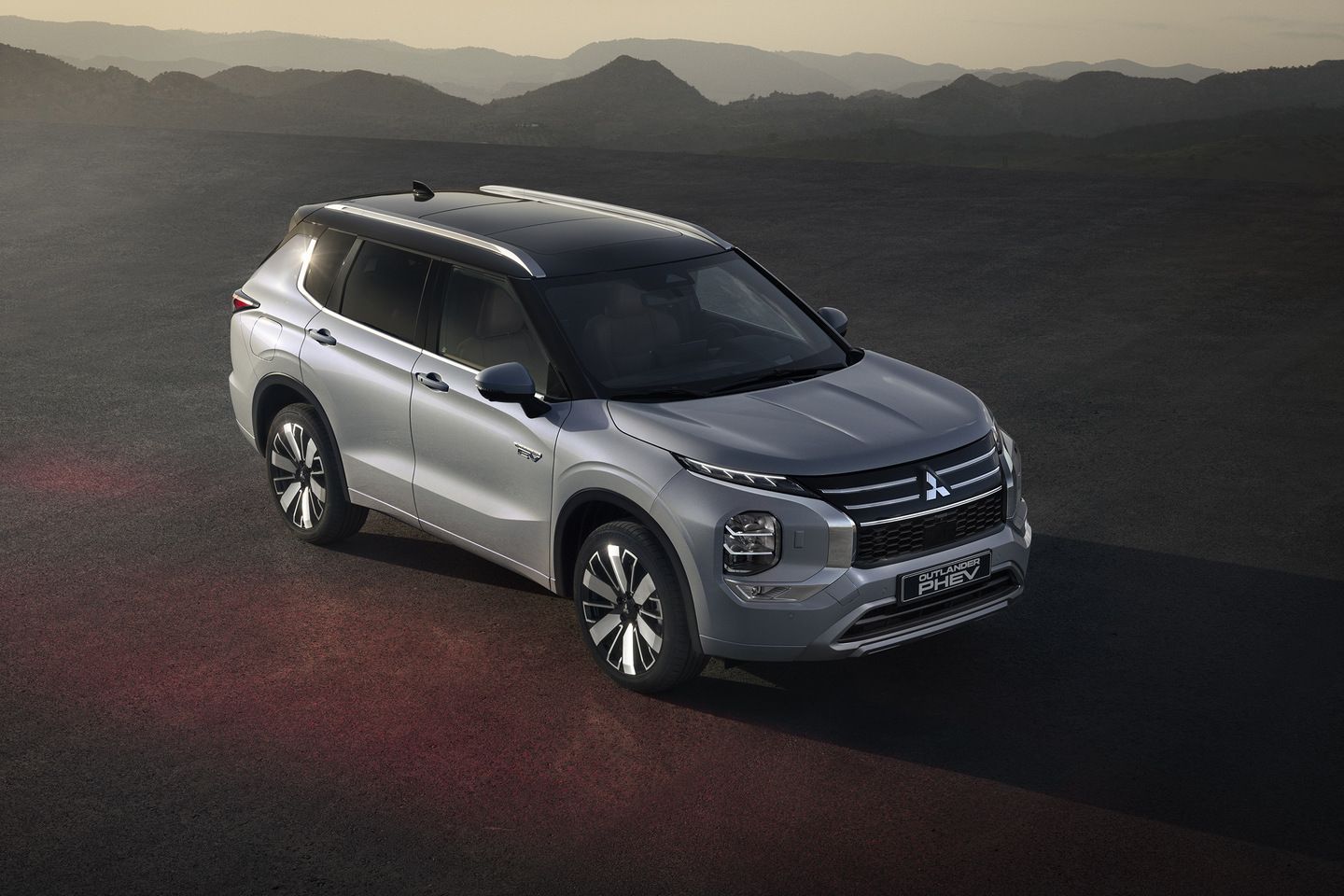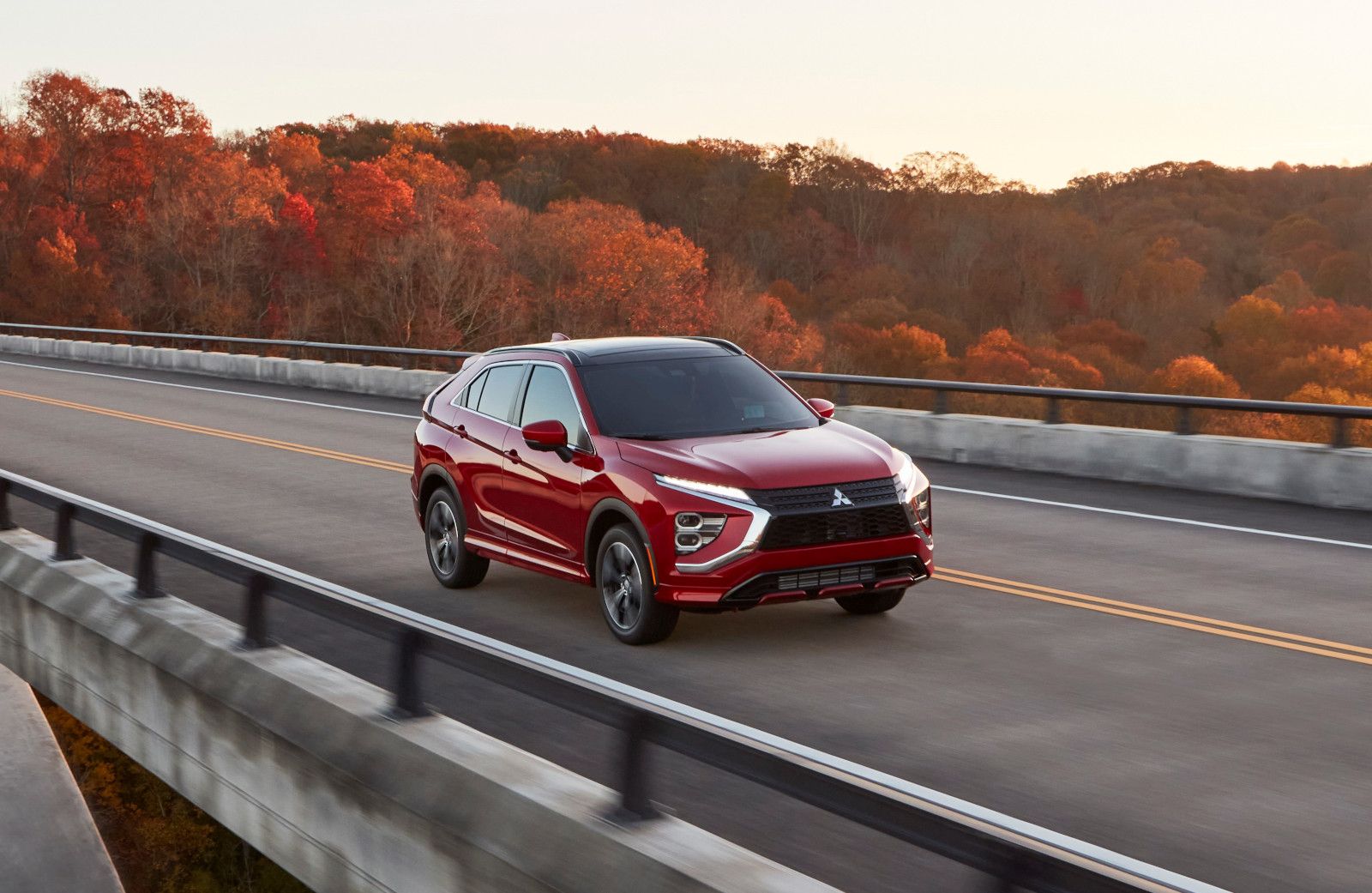
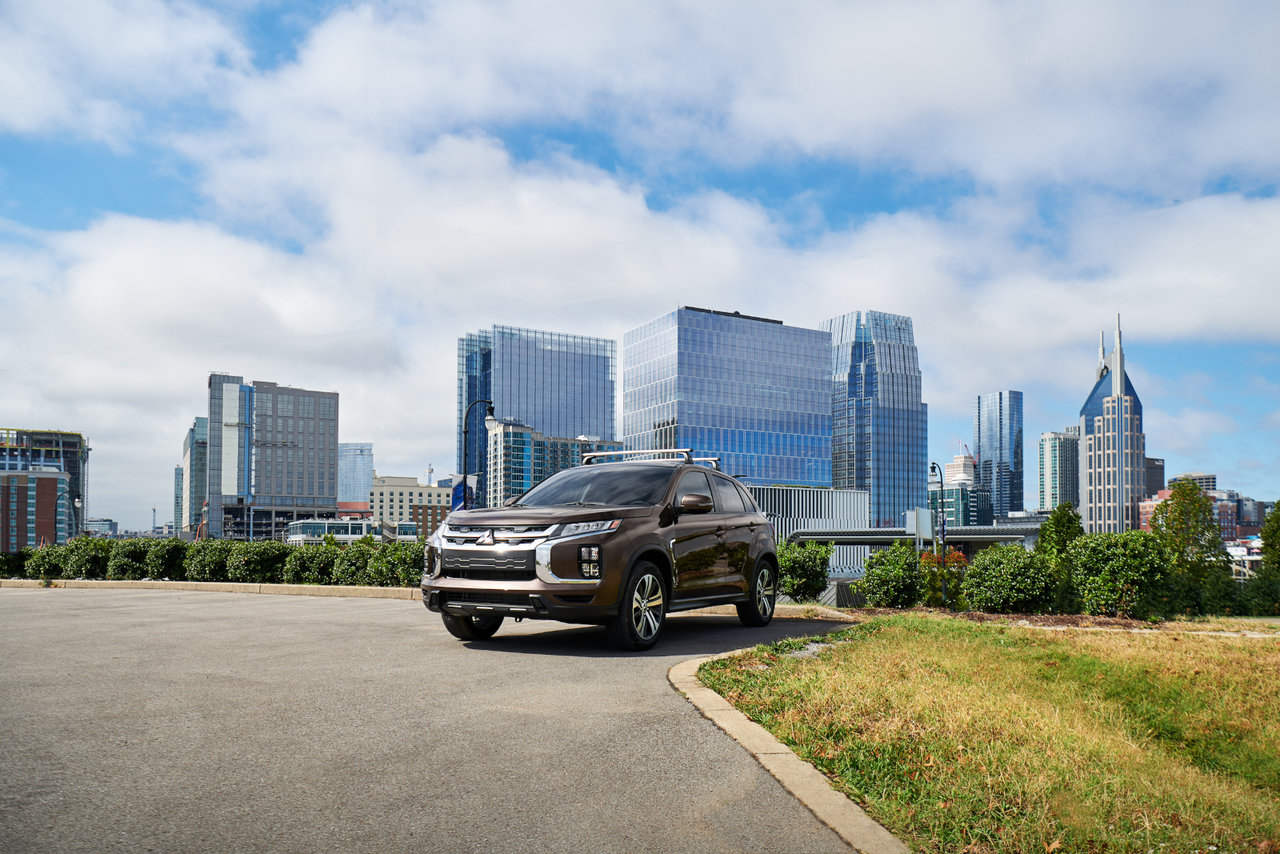
Roads in Nova Scotia rarely stay predictable for long. Pavement changes from smooth to gravel-edged, rain shows up fast, and a steady grip matters more than raw horsepower. The 2026 Mitsubishi RVR builds its everyday confidence around a system called AWC, and understanding what it actually does helps separate a real driving advantage from a spec sheet line.
What AWC Actually Is
AWC stands for All-Wheel Control, Mitsubishi’s all-wheel-drive system paired with a Drive Mode Selector. It’s standard on every RVR trim except the entry-level ES FWD, which sends power to the front wheels only.
The Drive Mode Selector lets the driver pick a setting suited to the road ahead, rather than leaving the vehicle to guess. Paired with the CVT transmission across the lineup, it’s built to respond continuously instead of reacting after the fact.
How The System Works, In Plain Terms
AWC monitors what each wheel is doing and adjusts power delivery to keep traction where it’s needed. Underneath, every RVR trim shares a MacPherson strut front suspension with a stabilizer and a multi-link rear suspension, also with a stabilizer, which keeps the body settled through direction changes.
Steering uses an electric power steering setup with a telescoping column, tuned for light effort at low speed and steadier feel on the highway. Braking is a ventilated front disc and solid rear disc layout, which handles routine stops without unnecessary complexity.
Together, the drivetrain, suspension, and steering are the mechanical story behind AWC. The system decides where power goes; the suspension and steering decide how that power feels in the driver’s hands.
Why This Setup Matters In Real Driving
Wet pavement, gravel shoulders, and uneven back roads are exactly where AWC earns its keep. Instead of one axle doing all the work, power shifts to the wheels with the most grip, which reduces the slip a front-drive-only vehicle can feel on a damp on-ramp or a frost-heaved lane.
On the highway, the same system helps the RVR track straight through crosswinds and lane changes, because the multi-link rear suspension keeps the rear end composed rather than following the front end late. In winter commuting, that translates into a car that responds the way the driver expects, rather than one that needs correcting.
The connection between power delivery and steering response is what actually builds confidence behind the wheel: the system reduces wheel spin before it becomes noticeable, so the driver’s inputs stay predictable turn after turn.
Entry AWC Versus The Higher-Output Trims

The ES AWC is where AWC starts in the lineup, paired with a 2.0L four-cylinder engine producing 148 hp and 145 lb-ft of torque. Move up to SE AWC, SEL AWC, NOIR AWC, or GT AWC, and the engine grows to a 2.4L four-cylinder making 168 hp and 167 lb-ft of torque, with AWC standard throughout.
The extra displacement and output don’t change how AWC distributes power; they change how much power there is to distribute, which shows up most when merging or climbing a grade fully loaded.
|
Trim |
Drivetrain |
Engine |
Output |
|
ES FWD |
FWD |
2.0L 4-cyl |
148 hp / 145 lb-ft |
|
ES AWC |
AWD |
2.0L 4-cyl |
148 hp / 145 lb-ft |
|
SE AWC |
AWD |
2.4L 4-cyl |
168 hp / 167 lb-ft |
|
SEL AWC |
AWD |
2.4L 4-cyl |
168 hp / 167 lb-ft |
|
NOIR AWC |
AWD |
2.4L 4-cyl |
168 hp / 167 lb-ft |
|
GT AWC |
AWD |
2.4L 4-cyl |
168 hp / 167 lb-ft |
SE AWC also adds a third USB port over the ES AWC’s two, a small but real convenience for a household running two devices at once. GT AWC’s panoramic sunroof trims its behind-rear-seat cargo space to 569 L, compared with 614 L on the fabric-seat trims, a trade worth knowing before loading up for a weekend trip.
Cabin And Cargo That Support The Same Confidence
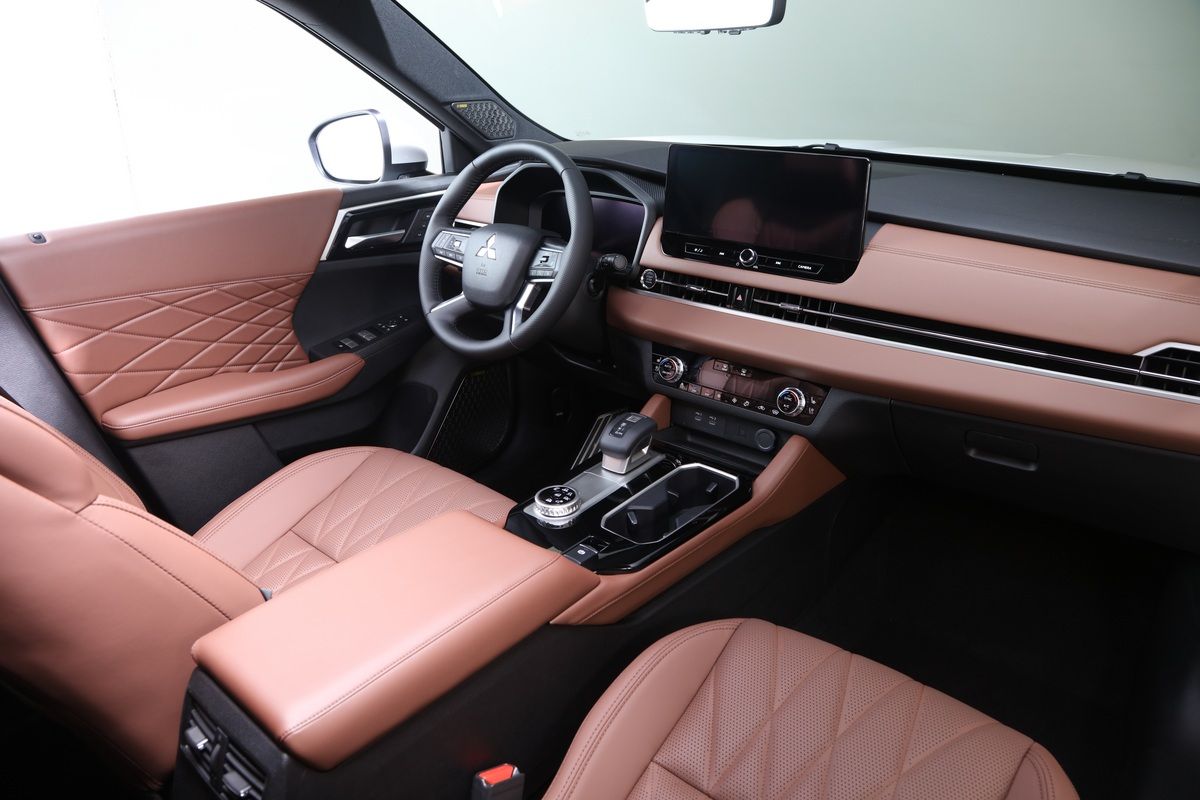
AWC handles what happens outside the cabin, but the RVR pairs it with details that support the same steady, no-surprises feel inside. The ES AWC’s 8-inch touchscreen runs Apple CarPlay and Android Auto standard, and every trim includes a rearview camera and rain-sensing wipers, useful the moment visibility drops.
Seating stays practical throughout the lineup: five-passenger capacity, a 60/40 split-folding rear seat, and heated front seats standard from the ES AWC up. Cargo space of 1,402 L behind the front seats on fabric-interior trims covers a grocery run, a hockey bag, or both without folding anything twice.
Choosing The Right RVR Trim For How You Drive
A shopper who wants a straightforward daily driver, with AWC and standard heated seats, gets that from the ES AWC without paying for extras they won’t use. Someone weighing fuel efficiency against equipment should note the ES FWD’s slightly better combined rating of 8.8 L/100 km against the ES AWC’s 9.2 L/100 km, a real trade for anyone who drives mostly on dry, flat routes and skips AWC on purpose.
For drivers who want more engine on tap plus richer materials, SE AWC through GT AWC keep the same suspension and steering setup while adding the 2.4L engine, and NOIR or GT layer in leather-based seating, a panoramic sunroof, and larger wheels for a more finished cabin feel.
Finding The Right RVR At Motor Hub Mitsubishi
The 2026 RVR pairs standard AWC on most trims with a suspension and steering setup built for steady, predictable handling, whether the road is wet, uneven, or just long. Trim choice mostly changes engine output and cabin finish, not the core traction system underneath.
Visit Motor Hub Mitsubishi in Truro and Antigonish to compare RVR trims in person and confirm current availability for the one that fits your driving.