Understanding Plug-In Hybrid Technology
A plug-in hybrid electric vehicle, often called a PHEV, is designed to give drivers the benefits of electric driving while keeping the flexibility of a gasoline engine. For many shoppers in Antigonish, Truro and across Nova Scotia, this makes a PHEV an appealing middle ground between a traditional gas vehicle and a fully electric vehicle.
Unlike a conventional hybrid, a PHEV has a larger battery that can be charged by plugging the vehicle into an electrical outlet or charging station. Once charged, the vehicle can drive using electric power for many shorter trips. When the battery’s electric range is reduced or when more power is needed, the gasoline engine is there to support longer-distance driving.
This combination is what makes plug-in hybrid vehicles so practical. You can use electric driving for commuting, errands, school drop-offs, appointments, and short local trips, while still having the confidence to take longer drives without planning every stop around charging.
How a PHEV Works in Daily Driving
In everyday use, a PHEV can feel very simple. You plug it in when convenient, drive on electric power when available, and continue driving with gasoline support when needed. Many drivers charge at home overnight, which allows them to start the next day with electric range ready to use.
For example, a driver in Antigonish or Truro may use electric power for weekday commuting, grocery runs, and local errands. On weekends, that same vehicle can be used for longer trips across Nova Scotia without the same range concerns some shoppers associate with fully electric vehicles.
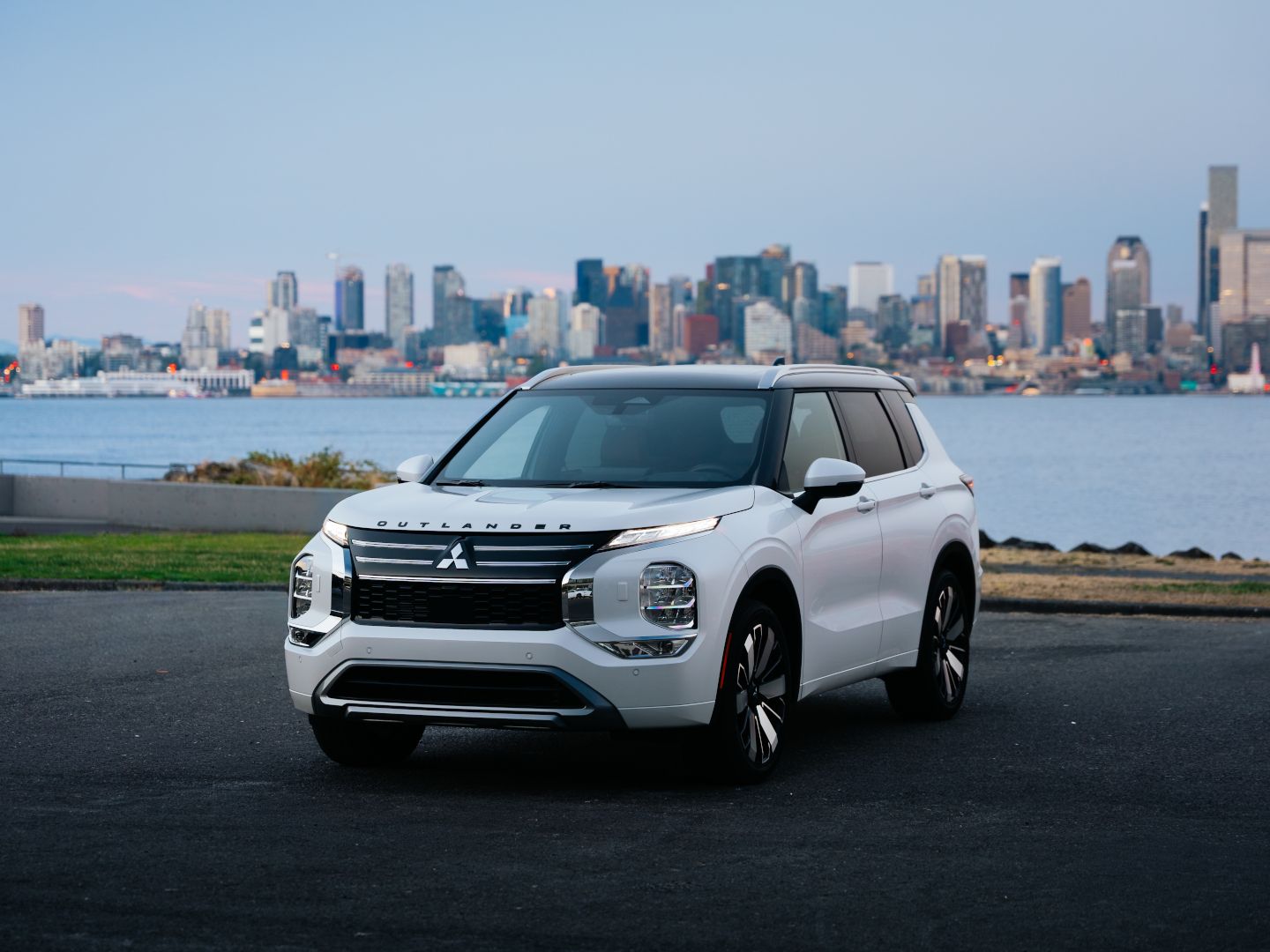
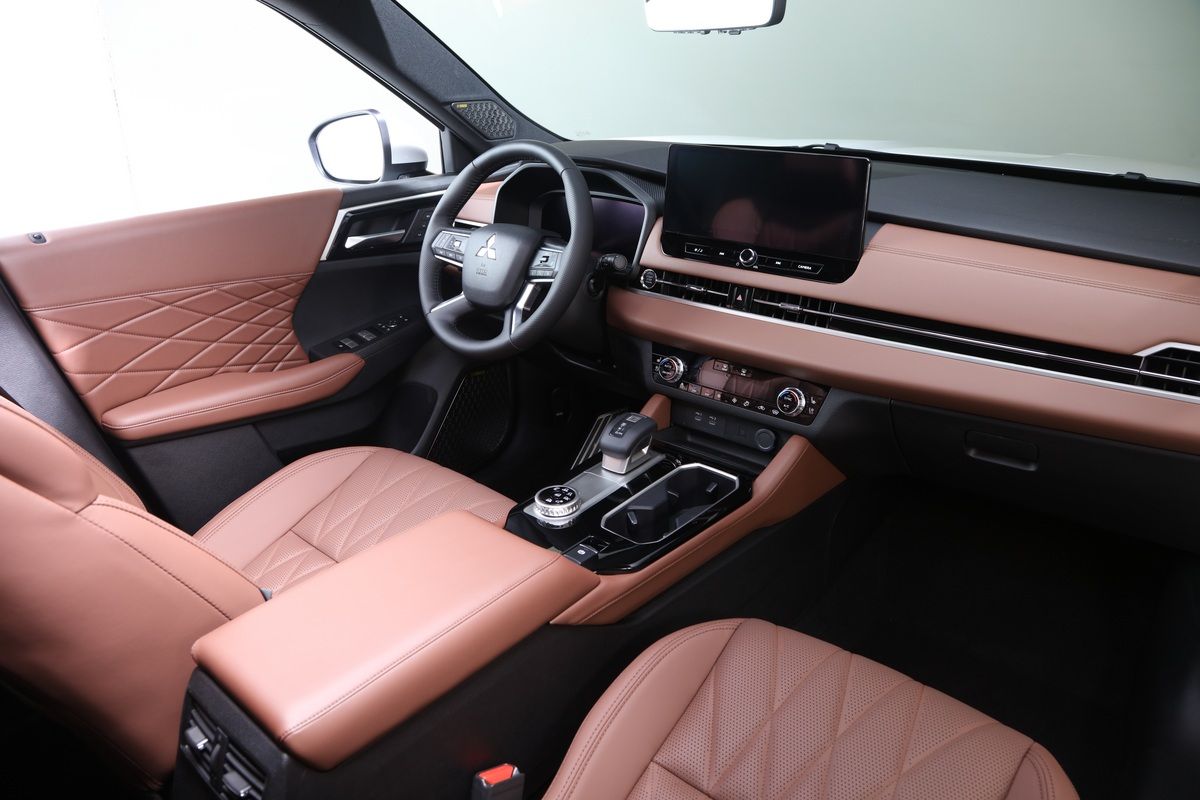
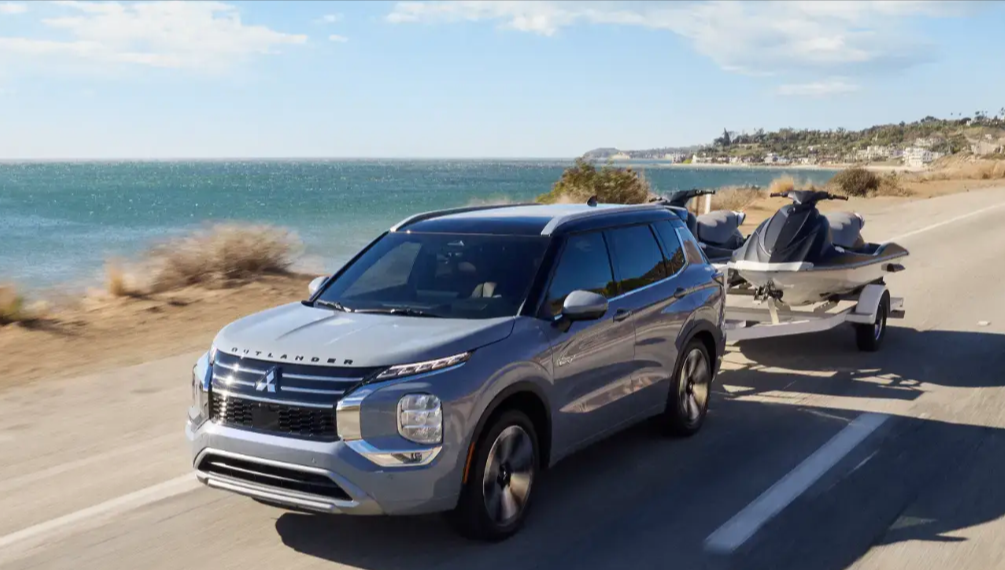
The Mitsubishi Outlander PHEV is a strong example of this type of technology. It combines plug-in hybrid efficiency with SUV practicality, available all-wheel drive confidence, and the flexibility many families and active drivers want from a modern vehicle.
PHEV vs. Hybrid vs. Electric Vehicle
One of the most common questions shoppers ask is how a PHEV differs from a hybrid or a fully electric vehicle. The answer comes down to how the vehicle is powered and charged.
A traditional hybrid uses a gasoline engine and electric motor, but it does not need to be plugged in. The vehicle manages the battery automatically as you drive. A fully electric vehicle has no gasoline engine and relies entirely on battery power. A PHEV sits between the two by offering electric-only driving for shorter distances and gasoline support for longer trips.
That makes a PHEV a practical option for drivers who want to reduce fuel use but are not ready to move fully electric. It can also be a good fit for people who do not have frequent access to public charging but can plug in at home.
Why a PHEV Can Make Sense in Nova Scotia
A plug-in hybrid vehicle can be especially useful for drivers who face a wide range of driving conditions. In Nova Scotia, drivers may deal with cold weather, rural roads, highway travel, changing seasons, and longer distances between communities. A PHEV gives drivers the opportunity to use electric power when it makes sense while keeping gasoline flexibility for more demanding trips.
For families, a PHEV SUV can be even more useful. It can offer the space, comfort, and cargo flexibility expected from a family vehicle while helping reduce fuel use during daily routines. That can make the transition to electrified driving feel more natural.
PHEV advantages may include:
- Electric driving for many short daily trips
- Gasoline support for longer distances
- Potential fuel savings when charged regularly
- Lower range anxiety than some fully electric vehicles
- SUV practicality in models like the Mitsubishi Outlander PHEV
- A smoother and quieter driving experience in electric mode
Is a PHEV Right for You?
A PHEV may be the right option if most of your daily driving is local, but you still want the freedom to travel longer distances without depending only on charging infrastructure. It can also be a strong choice if you have access to home charging and want to make more of your routine driving electric.
However, a PHEV works best when it is charged regularly. If you rarely plug it in, you may not get the full benefit of the technology. Drivers who want to maximize fuel savings should treat charging as part of their regular routine, much like plugging in a phone overnight.
A PHEV may be a good fit if you:
- Drive shorter distances most days
- Want to reduce fuel consumption
- Prefer the flexibility of a gasoline engine
- Have access to home or workplace charging
- Need SUV space and practicality
- Are not ready for a fully electric vehicle
Explore PHEV Options at Motorhub Mitsubishi
For drivers in Antigonish and Truro, the Mitsubishi Outlander PHEV offers a practical way to experience plug-in hybrid driving without giving up the versatility of an SUV. It is designed for families, commuters, and drivers who want a more efficient vehicle that still feels familiar and flexible.
If you are wondering whether a PHEV is right for your lifestyle, Motorhub Mitsubishi can help you compare your options. Our team can explain how plug-in hybrid technology works, review charging basics, discuss driving range, and help you decide whether the Mitsubishi Outlander PHEV fits your needs.
Visit Motorhub Mitsubishi in Antigonish or Truro, Nova Scotia to learn more about PHEV vehicles, explore the Mitsubishi Outlander PHEV, and see how plug-in hybrid driving could work for your daily routine.